
Voice of the Two Sessions | Accelerate the development of the scrap steel industry and enhance China's say in iron ore trade
May 28,2020
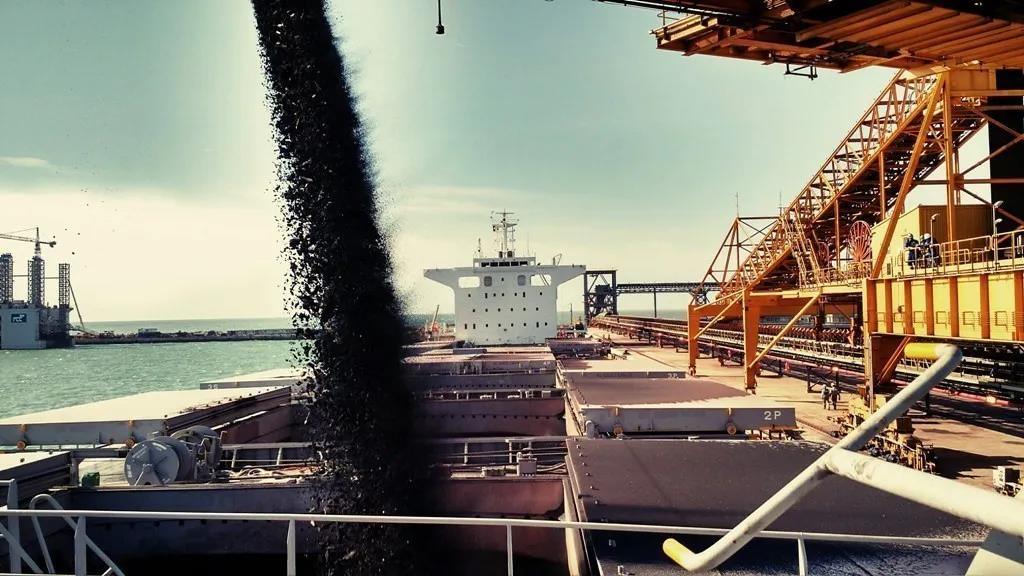
The driving role of the Chinese economy in the global economy has become a consensus in the international community, and the upward trend of international bulk commodities has almost become a trend.
This year's government work report proposed prioritizing support for the construction of "two new and one major". International mining companies will undoubtedly spot significant benefits from this.
The strong demand for construction steel is evident, and the reaction of iron ore, the raw material, will naturally be positive.
In fact, on the eve of the Two Sessions, expectations for new infrastructure and infrastructure construction were already booming, and iron ore prices had already taken the lead. According to Wind data, on May 21, 2020, in the domestic commodity futures market, iron ore prices surged by over 3%, leading the market.
As the world's largest buyer, the discourse power in iron ore trade has always been in the hands of sellers. Scrap steel, as an essential resource for steel production, is the only alternative raw material to iron ore for steel production.
For many years, the price of foreign scrap steel has long been lower than domestic prices, and its quality is superior. At the same time, imported iron ore prices are high and manipulated by foreign capital, so Chinese steel production enterprises often have no choice but to passively accept them.
The love-hate relationship with iron ore is hard to truly feel unless one is in the steel industry. At this year's National Two Sessions, a national people's representative from the steel industry suggested appropriately relaxing controls on scrap steel import policies, accelerating the development of the scrap steel industry, and enhancing China's discourse power in iron ore trade.
01 The Pain Iron Ore Brings to the Steelmaking Industry
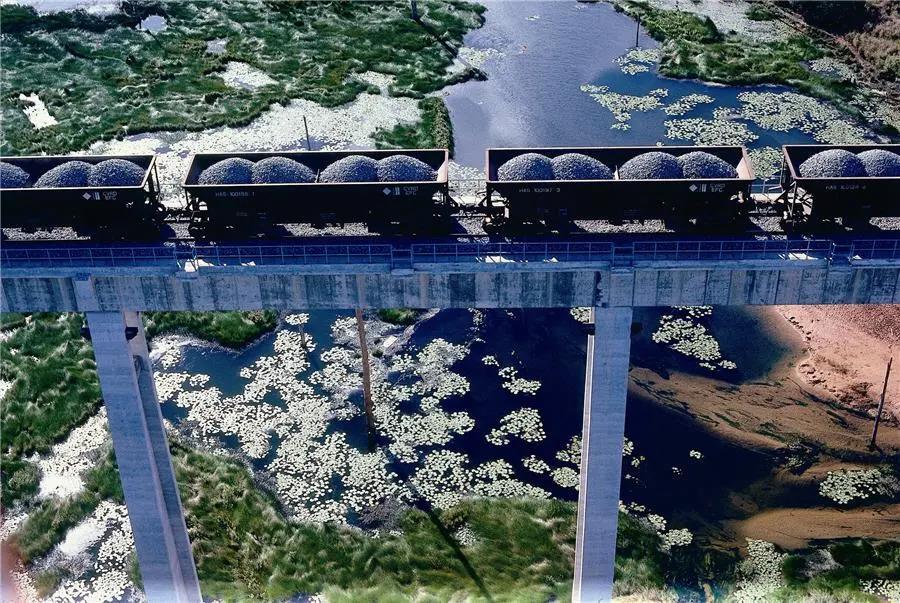
Currently, significant strategic achievements have been made in the national fight against the epidemic, the resumption of work and production is accelerating, and demand is gradually recovering. According to Lange Steel Network, as of May 20, the iron ore futures price at the Dalian Commodity Exchange rose for the 6th consecutive trading day, reaching 107 US dollars per ton, an increase of 20% compared to early April.
Data from the National Bureau of Statistics shows that in the first quarter of 2020, crude steel output decreased by 5.04% quarter-on-quarter to 234 million tons, while iron ore concentrate output fell by 20.01% quarter-on-quarter to 186 million tons. By April this year, crude steel output had shown a significant rebound, increasing by 7.67% from the previous month to 85.033 million tons.
It can be seen from this that China's production demand recovery speed after the epidemic will exceed expectations, and as one of the important raw materials driving social and economic recovery, the output and import volume of iron ore may not have kept up, which is one reason for the increase in iron ore prices.
Some views suggest that the main reason for the rise in iron ore futures prices is still the market's optimistic expectations for future iron ore prices, which may come from positive expectations for the Two Sessions to promote China's post-epidemic economic recovery.
In the "Government Work Report," Premier Li Keqiang proposed prioritizing support for the construction of "two new and one major."
"Two new" refers to new infrastructure and new urbanization construction. New infrastructure construction includes developing next-generation information networks, expanding 5G applications, building charging piles, promoting new energy vehicles, stimulating new consumption demand, and assisting industrial upgrading. New urbanization construction aims to significantly improve public facilities and service capabilities in county towns to meet the growing demand of farmers to settle and find employment in county towns; 39,000 old urban residential communities will be renovated, supporting the installation of elevators and developing diverse community services such as dining and cleaning.
"One major" refers to strengthening the construction of major projects such as transportation and water conservancy, and increasing the capital for national railway construction by 100 billion yuan.
According to data from the Ministry of Industry and Information Technology, in 2019, China's pig iron, crude steel, and steel product output increased by 5.3%, 8.3%, and 9.8% year-on-year, reaching 809 million tons, 996 million tons, and 1.205 billion tons, respectively. Among these, supported by stable demand from downstream industries such as infrastructure and real estate, the steel consumption of the construction industry and machinery industry accounted for approximately 40% and 12%, respectively.
Currently, infrastructure construction accounts for about 30% of China's steel demand, with national railway fixed asset investment exceeding 800 billion yuan in 2019. The additional stimulating construction brought by "two new and one major" construction is expected to further boost steel demand, coupled with the Brazilian epidemic disrupting iron ore supply, which has caused iron ore prices to soar.
UBS analysis states that last year, Brazil exported approximately 350 million tons of iron ore, or 6.5 million tons per week. However, this year, Brazil has only had one week where shipments exceeded 6 million tons. In the past few weeks, Brazil's weekly export volume has been less than 4.5 million tons.
"Since the outbreak of the epidemic, steel prices have dropped significantly, while iron ore prices have remained high, moving in opposite directions." He Wenbo, CPPCC National Committee member and Party Secretary of the China Iron and Steel Association, stated that especially under the influence of the epidemic, international bulk raw material prices have fallen sharply across the board, but only imported iron ore prices have remained relatively strong, operating between 80 and 90 US dollars per ton, making it difficult for steel enterprises to operate on the brink of profit and loss. Recently, it even broke through the 100 US dollar mark, which is related to the current pricing mechanism's excessive reliance on the iron ore index, where the index trend is increasingly deviating from supply-demand fundamentals and the spot market.
02 "More Scrap Steel Consumption" to Alleviate Iron Ore Resource Bottleneck
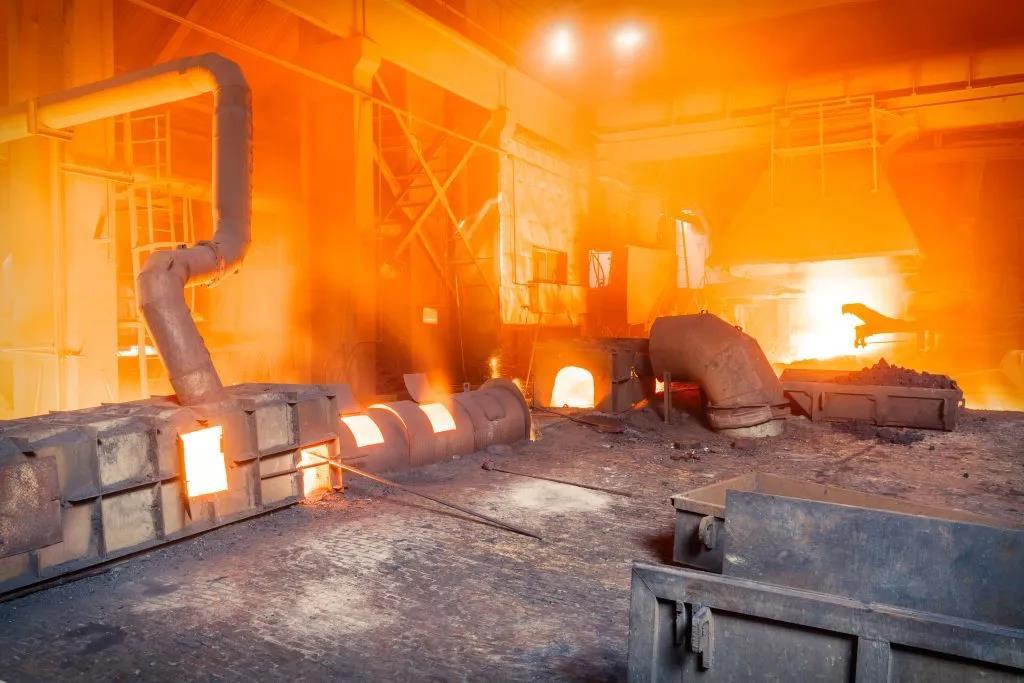
Scrap steel is one of the two major ferrous raw materials for steel smelting and is the only steelmaking raw material that can replace iron ore. Compared with iron ore, it has the characteristics of being green and energy-carrying, so "more scrap steel consumption" is conducive to energy saving and emission reduction in the steel industry.
Data from the China Iron and Steel Association shows that developed countries and regions worldwide use scrap steel as their main steelmaking raw material. According to statistics from the Bureau of International Recycling (BIR), the scrap steel ratio in steelmaking for the United States, the European Union, and Japan is greater than 70%, 50%, and 30% respectively, while China's is only 21.67% (2019). Currently, China's scrap steel recycling rate is below the global average, and scrap steel has been listed in the "Catalogue of Solid Wastes Restricted for Import," leading to a significant reduction in imports, from 13.69 million tons in 2009 to 180,000 tons in 2019.
"Scrap steel, as an essential resource for steel production, is the only alternative raw material to iron ore for steel production. For many years, the price of foreign scrap steel has long been lower than domestic prices, and its quality is superior, while imported iron ore prices are high and manipulated by foreign capital," said Li Lizhang, National People's Congress representative and Chairman of Sansteel Minguang.
Li Lizhang suggested that while increasing domestic scrap steel recycling and application, the country should encourage the import of recycled steel materials to reduce pollutant emissions and curb the price of imported iron ore.
“Although the term ‘scrap steel’ is common in the industry, it is not easy for the whole society to understand, nor is it accurate enough, and it is easy to cause ambiguity.” In Li Lizhang’s view, “scrap steel” is not garbage, but a strategic resource. He suggested that “scrap steel” be changed to “recycled steel materials” in the proposed import standards. Before the standards for importing recycled steel materials are formulated in China, internationally common standards can be used for reference, and an import quota system can be used for control. Furthermore, relevant departments should accelerate the formulation and approval of standards and workflows for importing recycled steel materials.
Li Lizhang's idea coincides with that of Cao Zhiqiang, a deputy to the National People's Congress and chairman of the Valin Group.
“Scrap steel is the only iron-based resource that can largely replace iron ore. Making full use of the market regulation of scrap steel can enhance China's initiative and voice in iron ore trade, and to a large extent alleviate the hidden dangers to industrial safety caused by the extremely high dependence on foreign iron ore.” Cao Zhiqiang said.
“For a long time, China's scrap steel recycling and processing enterprises have been small in scale, with outdated production equipment, backward production technology, frequent problems with scrap steel quality, and low operating efficiency, resulting in China's scrap steel resource utilization lagging behind developed countries.” Cao Zhiqiang said that the overall development of the domestic scrap steel industry is still in its initial stage, and the main problems include: low entry barriers to the scrap steel industry, low concentration, and difficulty in achieving large-scale production, resulting in high costs and low resource conversion into actual output; poor value-added tax transmission mechanism for scrap steel enterprises, inconsistent intensity of preferential policies in various places, restricting the development of scrap steel enterprises; scrap steel standards are difficult to implement in practice, which is not conducive to the development of the scrap steel industry; imports of scrap steel have been decreasing year by year due to policy influence, which is not conducive to steel enterprises making full use of “two markets and two resources” to achieve their business development goals.
In 2015, the Ministry of Industry and Information Technology issued the “Steel Industry Adjustment Policy (Draft for Comments)” proposing that by 2025, the scrap steel ratio of steelmaking in China should reach the target of 30%, and the scrap steel processing and distribution system should be basically established.
“With the implementation of policy benefits, the development trend of China's scrap steel industry is positive, there is great room for improvement, and it is ushering in a major turning point in development.” Cao Zhiqiang said.
03 Scrap steel should be removed from the restricted import catalog
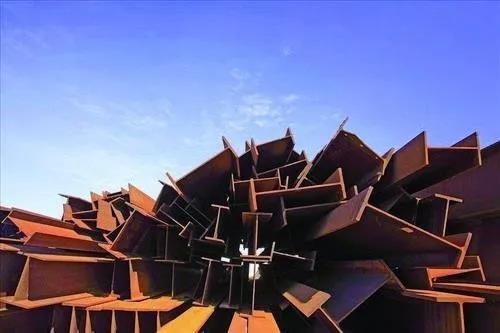
On May 22, the launch conference of the China Iron and Steel Association group standard for “Imported Recycled Steel Materials” was held in Tianjin. The meeting elaborated on the strategic significance of importing recycled steel materials from the perspectives of stabilizing iron ore prices, reducing emissions, and reducing enterprise costs. It was revealed that the Iron and Steel Association is actively promoting the relevant work on scrap steel imports, and the formulation of this group standard is the first step in promoting this work.
According to reports, representatives from about 50 enterprises and institutions in the upstream and downstream of the steel industry chain attended the meeting. The timing of this meeting echoes the suggestions of the national people's congress representatives from the steel industry who are attending the National People's Congress in Beijing to promote the import of scrap steel.
Cao Zhiqiang, a deputy to the National People's Congress and chairman of the Valin Group, proposed five implementation paths to promote the development of the scrap steel industry:
First, practice the concept of green development and accelerate the construction of a scrap steel recycling and utilization system.
The state should fully reflect the strategic resource attributes of scrap steel in policy guidance and legal and regulatory system construction, and promote the general public's full understanding of the significance of scrap steel recycling. For example, establish a national scrap steel resource database, encourage steel enterprises to extend the industrial chain upstream, guide various types of social capital to enter the scrap steel dismantling and processing industry, establish a unified national market system, avoid vicious competition, and strive to achieve “all recoverable scrap steel is recovered and used well”.
Second, deepen tax system reform and solve the problems hindering development.
First, implement differential taxation on different links in the scrap steel recycling and processing industry chain; second, issue the implementation rules of Document No. 78 of the Ministry of Finance and Taxation (2015), increasing the tax refund rate to more than 50%; third, unify and standardize the determination method of corporate income tax for scrap steel processing enterprises nationwide, with the general principle being to further reduce and exempt taxes on the existing basis; fourth, standardize and unify the intensity of tax preferential policies in various places, eliminate “tax havens” and cross-regional invoicing, and create a fair competition atmosphere.
Third, strengthen the supervision of the development of the scrap steel industry by enforcing standards.
In response to the problems existing in the scrap steel industry, it is suggested that the national policy level should supplement and improve the use classification standards for scrap steel processing products, promote scrap steel recycling and processing enterprises to improve refined management and professional operation levels; improve environmental protection standards for scrap steel processing enterprises; and formulate standards for imported scrap steel.
Fourth, appropriately relax the policy control on scrap steel imports.
It is recommended that the state remove scrap steel from the “Catalog of Restricted Import of Solid Waste”, manage it as ordinary freely importable goods, broaden the supply channels of scrap steel resources, and create conditions for improving the high-quality development of the steel industry. At the same time, it is recommended to formulate corresponding export restriction policies for scrap steel to avoid the outflow of a large amount of high-quality scrap steel resources, especially low-price outflow.
Fifth, strengthen research on expanding the use of scrap steel in the steel industry.
Encourage steel enterprises and relevant scientific research institutions and universities to strengthen theoretical research on impurities and inclusions in scrap steel during steel metallurgy, increase research on supporting technologies for the utilization of scrap steel, focus on researching the technology for long-process steel production to absorb more scrap steel and the technology of “short-process” electric arc furnace steelmaking and all-scrap steelmaking, and continuously improve the comprehensive utilization level of scrap steel resources through technological progress.