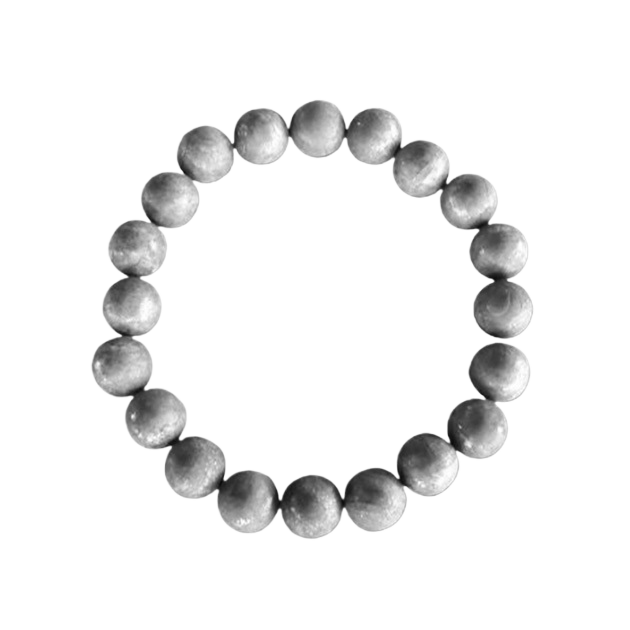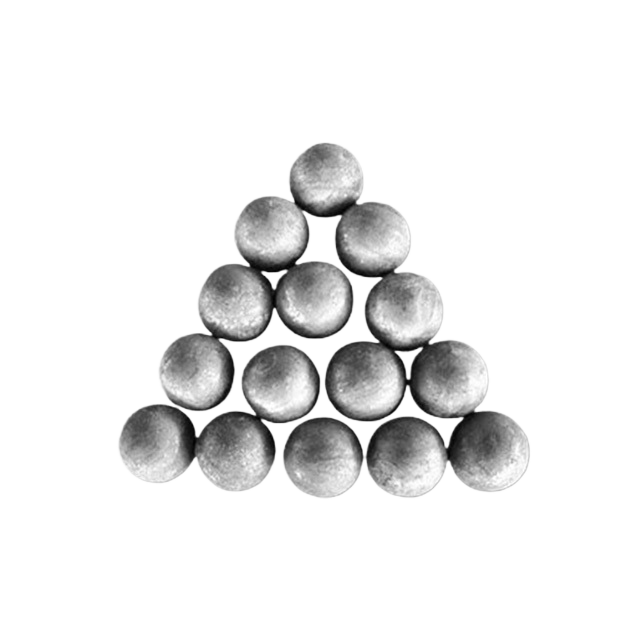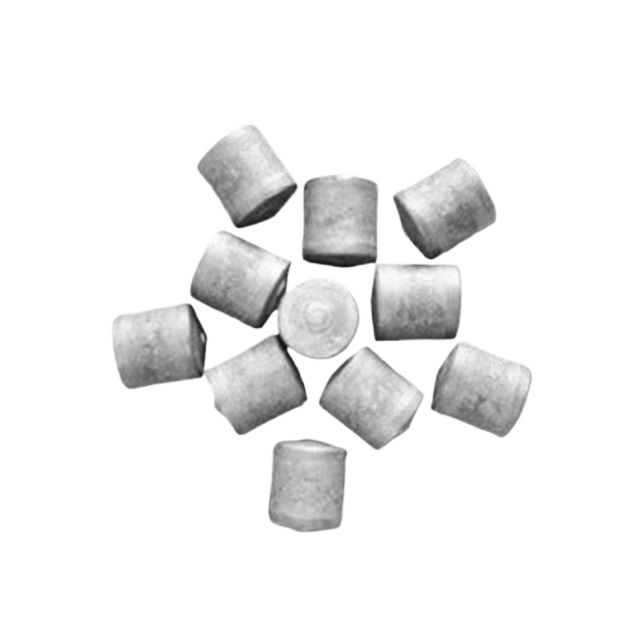


Grinding rod
Keywords:
Category:
- Product Description
-
Grinding rods serve as grinding media in rod mills. During operation, the regularly arranged grinding rods work in a cascading manner. Through the self-generated impact and rolling of the grinding rods, the minerals in the gap are ground to the required degree. At the same time, the grinding rods are worn by the minerals, constantly eroding, and their size decreases. Once smaller than a certain size, they are removed from the mill. In the actual operation of the rod mill, the grinding rods are constantly subjected to impact. When their toughness is insufficient, rod breakage accidents are prone to occur. Once a rod breaks, the regular arrangement of other grinding rods in the mill will be destroyed, leading to grinding rod disorder and an increase in broken rods. Therefore, the occurrence of broken rods not only seriously affects the grinding efficiency but also causes equipment damage, leading to shutdowns and seriously affecting the normal production operation of the mine.
The production of grinding rods usually employs medium-frequency induction heating followed by heat treatment. Currently, the commonly used grinding rod materials on the market are mainly 40Cr, 42CrMo, and other commonly used die steels, which have good toughness and are not easily broken. However, for larger grinding rods, the hardened layer is very shallow, only 8-10mm, and the wear resistance is poor during grinding. Other materials such as 65Mn have similar effects. Japanese scholars have proposed using high-carbon steel as the material for wear-resistant steel rods, with good results, but this places strict requirements on the steel plant's production process, as high-carbon steel is prone to metallurgical defects. Given the limited suitable materials for grinding rods, Goldpro has developed a new type of grinding rod steel and a matching heat treatment process that improves the depth of the hardened layer while maintaining the high toughness of the grinding rods. The product has been put into use in mines, with no broken rod accidents reported, low wear rate, and significant grinding effect.
Get a quote now
Please feel free to leave a message, and we will reply to you within 24 hours.
Related Products